Ultrasonic Volume Measurement with Arduino Physical Programming

Authors

Mesut ULU

Summary

In this learning scenario, it is aimed to determine the volumetric amount by using the height (depth) of the liquid or solid product in a tank or container by means of level measurement. Level measurement is a measurement application frequently encountered in many different engineering fields. In the study made with ultrasonic level detection method, HC-SR04 Ultrasonic Sensor and Arduino Uno data acquisition and control card were used. Our container to be filled is determined as a cylindrical container with a radius of 5 cm and a height of 20 cm. It was taken as π = 3.14 and these measurements were coded over the m Block and the volume was measured. In addition, the occupancy warning is also provided by the lighting of the led lamps at certain levels, which warns the tank fullness. Thanks to Arduino physical programming, it has been observed that there is a 99% agreement between the volume value found by ultrasonic volume measurement and the volume values measured with graduated cylinder.

Keywords

Arduino, m Block, Volume, Ultrasonic

Problem situation:

Problem situation: Archimedes and Newton are students at school with their teachers, who are involved in an experiment in which precise volume measurements are made. Their teachers asked them to measure 630 ml of alcohol to use in the experiment. While measuring with a graduated cylinder, it suddenly slipped from their hands and fell and the graduated cylinder broke. When they couldn’t find any other graduated cylinders in the laboratory, their experiments were left unfinished and they were very upset about this situation. Thereupon, their teachers asked them to research whether there is a material suitable for today’s technology and with which they can measure volume more precisely, and to get help from information technology teachers in this regard. Their teachers expect these students to think like a scientist and develop a material used for measuring volume with simple Arduino materials. Despite the situation above, students are expected to design a volume measurement tool that is faster and more accurate than a graduated cylinder, in accordance with today’s technology.

Age of students

11-13

Teaching resources (material)

Arduino uno

HC-SR04 Ultrasonic sensor

jumper cables

led bulbs

Resistance

Laptop

IR Transceiver

IR Receiver Module Wireless Remote Control,

medium and large bread-board,

16×2 LCD screen

cardboard,

styrofoam foam

scissors, glue and double-sided tape

buzzer

 (The determined materials were given to 6 student groups.)

Subject (s)

1. Science Dimension of the Activity: Electrical circuits, connecting circuit elements on a breadboard, particulate nature of matter and fluids, volume measurement.

2. Technology Dimension: Physical programming with Arduino, material selection for the material to be used in volume measurement, usefulness and cost in the design product.

3. Mathematics Dimension: Recognizing geometric shaped containers to be used in volume measurement, taking into account the criteria and limitations. For the solution of the problem, using the processes of estimation, induction, description, generalization and verification of mathematical thinking and reaching the solution of the problem by considering all the factors (reasoning-reasoning). Knowing the volume formulas in cylinders and prisms and applying them in the coding program24

4. Engineering Dimension: In the process of designing the material system to be used in volume measurement, determining the criteria and limitations, schematizing the design by taking into account the shape, size and visuality, prototyping, testing, development.

5. Visual Arts Dimension: Recognizing the properties of geometric shapes, using visuality and symmetrical compatibility in the design of the design to be produced.

6. Information Technologies: knowing the basic programs on the computer, using the m Block program, coding the formulas used in volume measurement in the program

Electrical based measurement methods

1) Electrode (conductive) based

2) Ultrasonic based

3) Radar based

4) Laser based

5) TDR based

6) Capacitance based 7) Magnetic field based

STEM Subject

It makes inferences that measuring volume has an important place in our daily life and is used in the food and energy sector outside of science. Designs a unique volume measuring tool. Understands that science and engineering are closely related. He knows that electrical engineers use their creativity as well as their science and math knowledge to solve their problems. Knows that the engineering design process consists of steps that can be used to solve problems. Develops problem-solving, teamwork, communication and creative thinking skills while working through engineering design challenges.

Engineering design

Developed solutions to the problem (An algorithm was created).
At this stage, the students were asked to produce at least 3 different solutions according to the problem situation. Different solutions were developed in line with the criteria and constraints determined for the volume measurement material.
By evaluating the process steps (algorithm) of the solution step by step, the solution was tested and sensitive and reliable volume measurement devices were designed with computer support using the ultrasonic method.

Testing and Refinement of Code

The written code was tested together with the physical components and their controls were provided. The prototype was assembled to the volume measuring device model created with simple tools. At this stage, Arduino components were mounted on the design made with simple tools such as design, cardboard, foam, in line with the criteria and restrictions determined.

Steam IT project – YouTube

Evaluation and results

  1. Do you think you have reached the most ideal design for the solution of the problem? Please explain with reasons.
  2. Briefly explain the engineering design process steps you follow in volumetric design.
  3. If you had enough time and the materials you wanted, what else would you do to improve your design? Please explain the reasons.

All groups were thanked for the design they developed. The material with the most beautiful design and the most precise measurement was rated by student groups. As a result, the material of the second group was chosen as the best design. A material with 99% success in volume measurement has emerged.

https://drive.google.com/file/d/1rBJ-a8SxYrLNmBnMZ8O59uiKiOy6zk3g/view?usp=sharing

TECHNICAL VOCATIONAL EDUCATION MENTORING

Status

Avatar

Education is not preparation for life. Education is life itself.

JOHN DEWEY

https://quotesgram.com/img/motivational-quotes-for-students/9632196/

ENHANCING SELF – EXPRESSION & EMPATHY THROUGH TECHNOLOGY IN THEATRICAL PLAY IN CHILDHOOD.

Avatar       DATE:  10/1/2022 to 30/3/2022        CREATOR:   Stavrina k.
AS the 21st century requires communication, collaboration, creativity and critical thinking skills, the STEAM interdisciplinary approach is also an ideal choice for pre-school education in the apprenticeship. Learners are required to learn the art of pre-school pedagogy with both her theoretical background as well as the practical part that is inextricably linked to creativity, teamwork and of course the communication with the toddlers who will teach but also between colleagues.I believe it’s a way of training that will enhance the skills of young educators and will enrich their professional quiver with modern tools and methods of pedagogy, according to the needs of the new era.

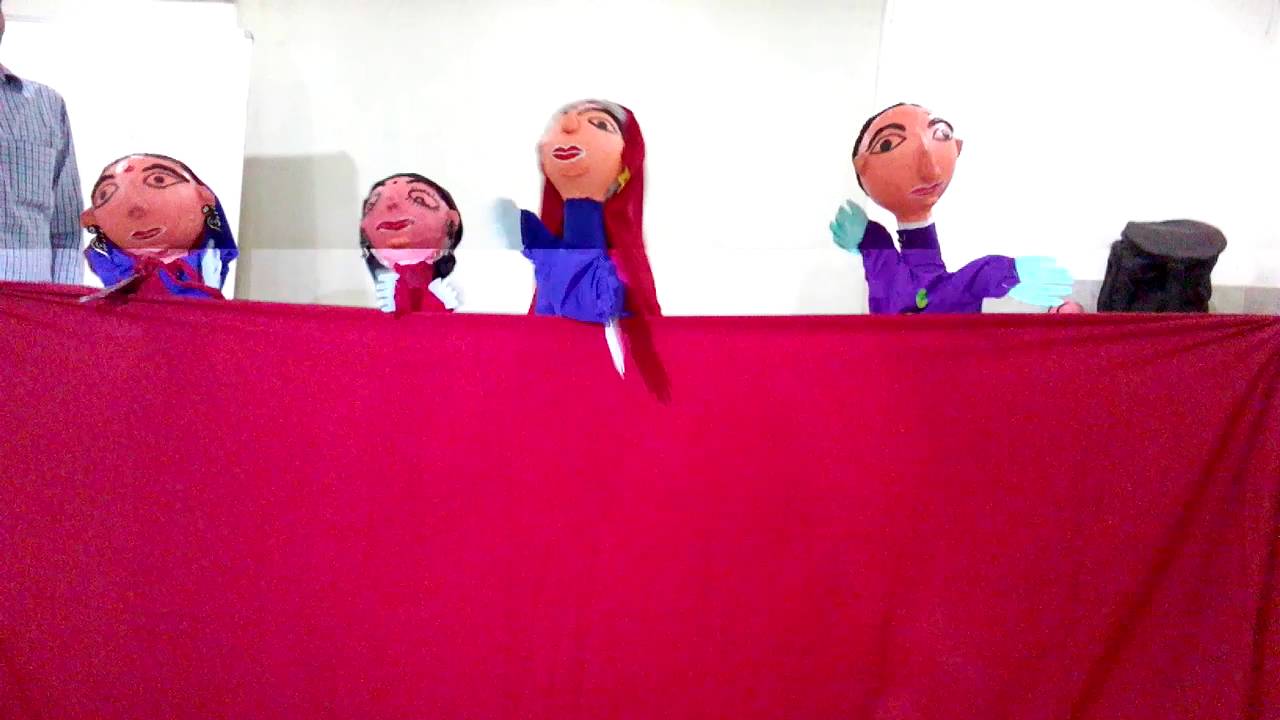
In this STEAM activity named as HORIZONS ROBO MUPPET IN OLYMPIC RALLY GAME, it was implemented Collaborative discovery method to experiment in unplugged activities of making puppet and scenes with natural materials and then work together to explore programming in digital environments to implement the design of improvised creations that will enhance educator’s creative imagination and their cognitive level.

https://youtu.be/VDQUQS3sN_w

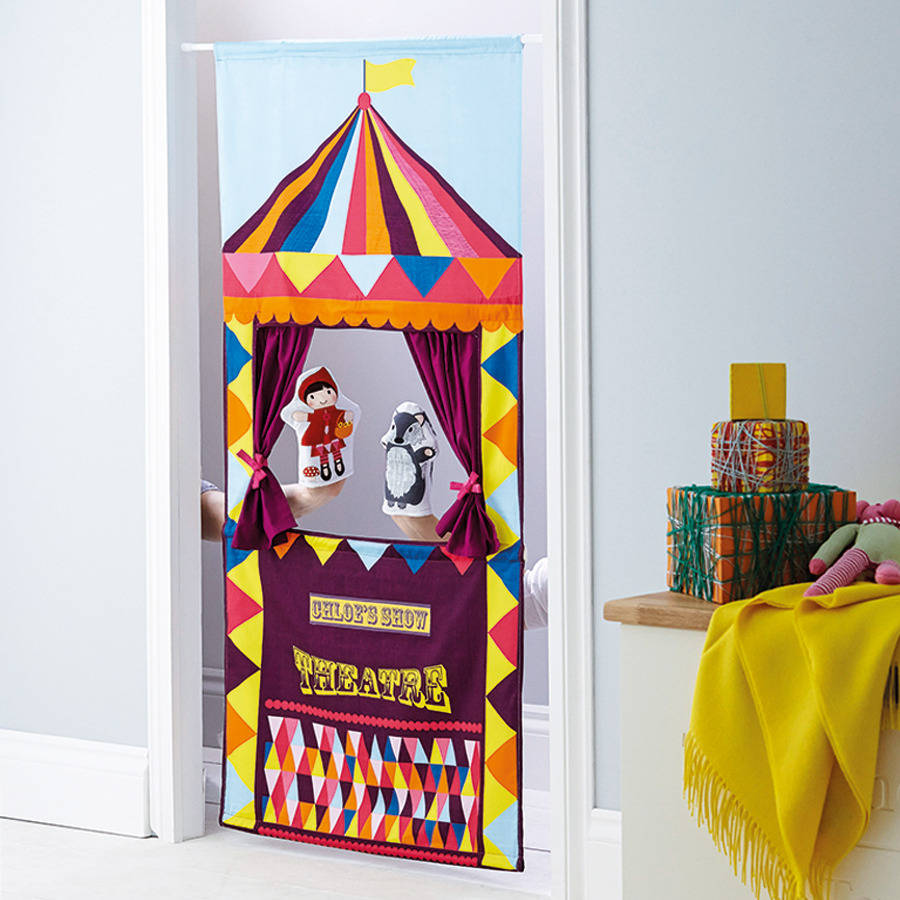
DIY puppet theatre with natural materials
puppet show from cardboard boxes

The purpose of this scenario is to make learners experiment with Thematic (Creation and Expression) through theatrical play by performing activities that combine hands-on puppet creations for puppetry with natural materials and microbit-arduino & scratch programming, which will give the puppets movement and expression, with the ultimate goal of enhancing the imagination and improvisation of learners in digital environments while at the same time giving life to their creations in a modern way.

MATERIALS & RESOURCES FOR IMPLEMENTATION
MATERIALS NATURAL : pulp & tempera and fabrics,puppet decorations, embossed paper for the ralista cape. White illustration papers and black tape were used for the route .
ELECTRONICS FOR VEHICLE ????: 2 DC motors Or Arduino uno board 1 dual motor driver module L 298N Battery 9v + 4 battery 1.5 v 1 Battery case 2 infrared sensors. Um Jumper wires 1 on / off switch 1 adapter for Arduino 9 V Jack Battery accessory jack 5.5 Y 2.1 mm Ο VEHICLE FRAME: Chassis, 2 wheels, 1 rotating wheel, screws, distillers.
ELECTRONIC COMPONENTS: MICROBIT board. 1 servo micro FS 90MG Jumper wires 1 breadboard breakout for BBC microbit 1 mobile adapter from AC to DC.
SENSORS & ACTIVATORS An infrared sensor is used to detect a black line to ”read” the rally track mounted on a white background with black tape to create a track for the car to move.
ALTERNATIVE STORY WITH SCRATCH : use a scratch environment to create an alternative script to the original created for the show by exchanging heroes with different characteristics from the originals between the groups.

The way has been used to make teams involved online were been able to  "bring to life" their artifacts expressively with the microbit platform, the groups were used the scratch environment to design emotional changes in their hero and were  able to described changes in their scripting compare to first one was presented in the puppet show before. An alternative script with new emotional characteristic was born with scratch made of team members creativity.  
SCRIPTING AN ORIGINAL PUPPET SHOW
The pedagogical value of this activity is reflected in the goals set and in the skills and behavioral attitudes in the teams that emerge from the collaborative work. The benefits are multiple for teachers and students, this is definitely the result of the process.

Every student can learn just not on the same day or in the same way. ART help everybody to learn in anyway.

EVANS/ STAVRINA
Avatar
This activity was evaluated as an educational topic for in-service training of teachers in the long term of one year. Based on this, I believe that other teachers could use the same or similar methods that will enhance both student's expression and digital skills. that are longer required. A challenge and a choice for an innovative idea ???? implementation are enough.Choice is yours!

Plant a tree, love nature!

Image

After almost 2 years of online teaching, we had the chance to organize an outdoor learning activity in a more extended school project dedicated to environmental protection. This project is named Plant a tree, love nature! and has more learning goals as follows: to raise awareness of the effects of environmental pollution and the risks associated with climate change, knowledge, and access to information related to local/regional climate, specific fauna, and vegetation, involvement of students in reforestation activities, especially in areas with high risks of landslides, floods, construction and installation of birdhouses and bird feeders, collecting soil, water, plant samples, and performing analyzes in school, in biology, chemistry, and physics laboratories, making an exhibition with photos, collages, drawings, short film, following the activities carried out, monitoring of reforested areas in order to observe the beneficial effects in soil consolidation, return of wild species, etc.

This first activity in this project was held on April 2nd, 2022, and was carried out in collaboration with the Pitesti Forest District. The students met a forestry engineer, Mr. Sorin Balas, who explained to them the importance of the forest in an ecosystem, and how they can help to keep the balance between human activity and nature. The students asked questions about the tree species, when they are planted, how they keep track of the planted trees, and how they decide the places where the trees are planted. Mr. Sorin Balas also talked about the history of Forestry science in our country and its predecessors amongst which notably is a woman, Mrs. Aurora Gruescu, the world’s first female foresty engineer, as well as the first Romanian person in the Guinness Book.

One goal was to raise awareness among the students about environmental issues, and how they can act to fight for a healthy environment. Observing nature, and paying attention to the interconnections between the ecosystem components like soil, water, air, plants, and animals on one side and humans on the other side is the starting point of the learning trail.

The students were instructed by the forestry workers on how to plant the seedlings.

The second part of the activity consisted in observing the plants and the animals in the forest. The students took photos and recorded the songs of the birds. By using different phone apps they recognized different species of plants as well as the birds in the place. The stroll into the forest was a wonderful way to enjoy the physical effort, the clean air, and the beauty of nature.

They recorded their observations in the project journals.

The feedback from the students was very positive. They appreciated the quality of the activities, and the satisfaction of a good job such as the preservation of the forest, the beauty of nature, and working together.

This activity was a great success after such a long period of isolation, after online and indoor activities. The students felt the joy of being together, being active, aware of what is around them, ready to learn and observe more, and decided to contribute actively to the fight against climate change and global warming.

Iuliana Roman, Physics teacher, National College Zinca Golescu Pitesti

Magnetic Spacecraft

Our Happy Kids With STEM project aims to increase our students’ interest in science, technology, mathematics and engineering. Apart from this, it is aimed to train students who can think creatively, solve problems and have 21st century skills by integrating STEM disciplines with each other. In our project, Anna discovered a new planet in space. that’s why she wants to send a reconnaissance vehicle to the planet. However, due to the fuel problem, this vehicle has to move without fuel. With a dream she saw, she solved this problem with a magnet. So she invented the magnetic car.

Our Goals

  With this project, we aim to equip our students with 21st century skills. In particular, it is aimed to gain problem-solving skills through project-based learning. Creative thinking is aimed with learning by design. It is aimed to make new designs by using the tools necessary for their imagination and daily life skills. In addition, it is to help the development of hand-eye coordination by making movements that require object control. It aimed to raise awareness about sustainable energy and zero waste. Thus, increasing sensitivity to the framework is among our goals.

Interdisciplinary Collaboration

Students learn about magnetic energy, repulsion and pull of forces in the field of science. While learning the layers of the atmosphere, he also learns about the clouds. In addition to the concept of time in mathematics, he also learns to measure length. Technology system researches are provided. In engineering, he designs and makes cars that work with magnets. It also develops their vocabulary.

Results

Students’ designs and learning throughout the process are evaluated. They also learn through interdisciplinary collaboration in terms of language development as well as science, mathematics, technology and engineering. With these, it is emphasized that magnetic energy is sustainable energy. It is emphasized that it leaves zero waste.

By Nurcan MANDAL

Scientix Ambassadors

HUMAN & ENERGY in Wrocław by Iwona Kowalik

Last year, together with PhD Wiesław Wróblewski – a scientist from the Wrocław University of Science and Technology, we started organizing an event promoting STEM science in connection with the 60th anniversary of the first human flight into space. The event HUMAN IN SPACE, to which many scientists and teachers were invited, turned out to be a success. The organizers of the project were the Wrocław Center for Social Development, the School and Kindergarten Complex No. 16 and the Wrocław University of Science and Technology. It was attended by over 1,000 primary and secondary school students, as well as students and adults. We decided to continue our activities as part of the HUMAN & STEAM project.

This year we have planned activities related to energy, including renewable energy. We managed to invite more scientists and universities, such as the Polish Academy of Sciences. University of Economics, Coventry University Wroclaw. As part of this year’s HUMAN & ENERGY event, many online lectures and stationary workshops, quizzes, computer workshops and a competition for an animated renewable energy advertisement have been planned.

The organizers also included companies operating in Poland: Collins Aerospace and Ecobean, which produce clean energy from coffee grounds.

Classes were also conducted by mentors of the Academy of Creative Civic Initiatives from Wrocław primary and secondary schools.

Our event is traditionally held in April (this time between April 1 and 29, 2022). Most of the classes are in the form of online events. We broadcast via the zoom platform. The event was preceded by interviews in local Wrocław radio stations, announcements on the organizers’ websites and in social media.

https://www.facebook.com/profile.php?id=100063695574208

The participants of the event, mainly students of Wrocław schools, had the opportunity to meet scientists and see that STEM subjects have a huge use in everyday life. They could also find out that these items are extremely interesting and not necessarily very difficult. They had the chance to test their knowledge in quizzes and develop new skills during numerous workshops. Importantly, all the classes were free for the participants.

Our event is coming to an end, but we are already planning next year’s event. Its main subject remains a secret for the time being. See you next year!